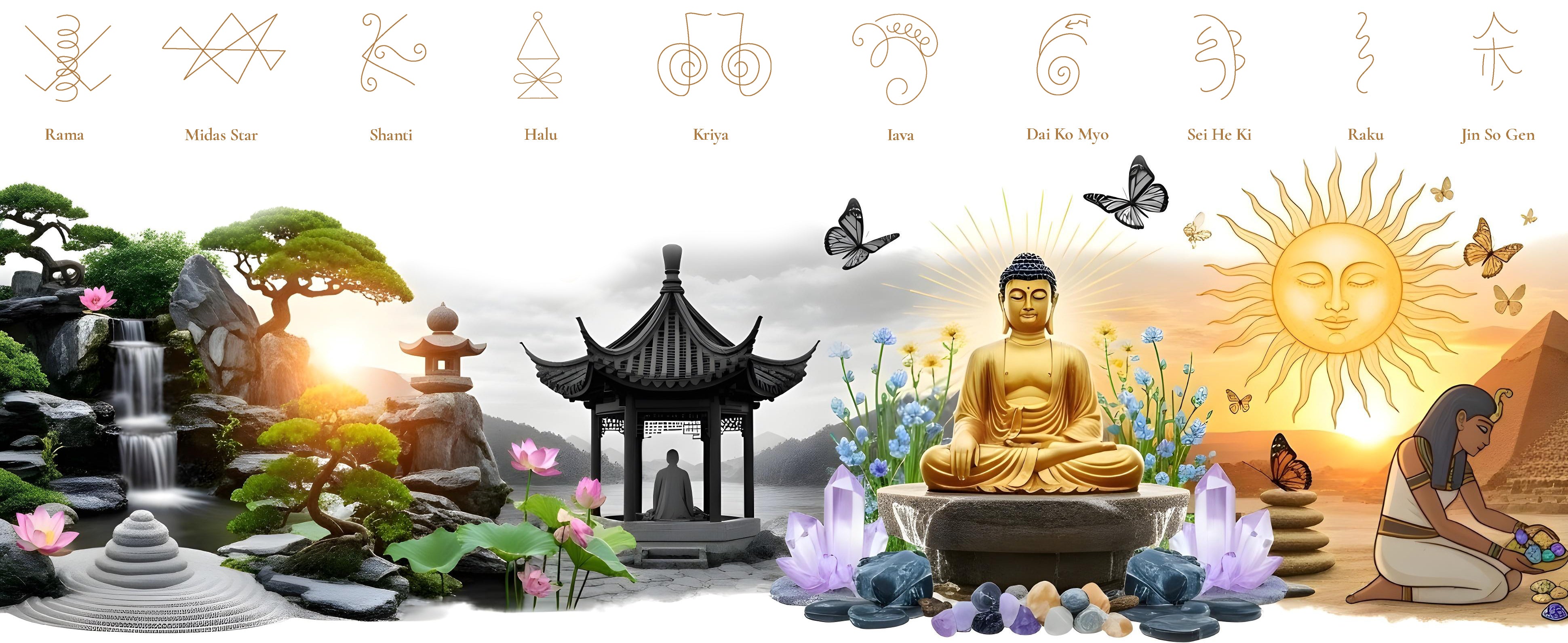
The Essence of Comb Method
The craft of carving Buddha Stones, especially through the comb method, reflects a harmonious fusion of spiritual symbolism and remarkable artistry. 'Comb' stands for "Carved, Ornamented, Molded Buddha," a technique refined over generations, particularly in areas rich in Buddhist heritage.
This approach not only enhances the visual charm of Buddha statues but also imbues them with profound spiritual significance, captured in every carved line and graceful contour.
The Roots of Comb Technique
The Growth in Ancient India
The comb method, pivotal in crafting Buddha Stones, originated in ancient India. It was first used to elevate the spiritual essence of Buddhist art. Initially, the technique involved simple carvings that evolved into more intricate designs, capturing the philosophical and spiritual brilliance of the Buddha.
Journey Through Asia
As Buddhism spread from India across Asia, the comb method traveled alongside it, integrating with diverse artistic and cultural traditions. Every region added its distinct interpretation to the technique, resulting in a rich tapestry of styles and practices.
The Transformation of Artistic Styles
Across regions, the fundamental principles of the comb method were adapted to local preferences and spiritual beliefs. In the Gandhara region, the influence of Greco-Roman art is evident in the more realistic depictions of the Buddha. Conversely, East Asian versions emphasize stylized and symbolic expressions, often incorporating native motifs and materials.
Initial Methods and Materials
The early use of the comb technique primarily involved stone and wood, materials that were accessible and conducive to detailed carving and molding. Artisans employed a range of tools to intricately carve each element, embedding significant symbolic meanings into the tangible forms of Buddha statues.
Symbolic Significance of Comb Methods
Each detail serves a dual role: to enhance beauty and to convey sacred wisdom and spiritual lessons. The richness of these symbols allows practitioners to find personal and communal comfort and insight as they contemplate the profound artworks.
Protection and Serenity:
-
The halo, or aureole, present in many Buddha statues crafted with the comb technique, is not merely an artistic detail but a deep symbol of spiritual brilliance and divine energy. This halo often features intricate patterns that radiate outward, symbolizing the Buddha's spiritual influence spreading outward.
-
Such imagery is crafted to evoke a sense of protection and calm in followers, offering them a sanctuary of peace whenever they reflect upon it. The halo serves as a visual reminder of the Buddha's constant presence and his protective grace for those who seek solace in his teachings.
Path to Enlightenment:
-
The patterns inscribed into the robes and bodies of Buddha statues are rich in symbolism, with each line carefully crafted to illustrate the path to enlightenment.
-
These carvings often follow a deliberate sequence, from simpler designs at the base to more intricate patterns near the head, reflecting the spiritual ascent toward greater awareness.
-
Each part of the pattern may symbolize different stages of the Buddha's life or aspects of his teachings, acting as a visual guide to enlightenment for both practitioners and artists.
Balance and Unity:
-
In Buddhist art, particularly with comb techniques, symmetry goes beyond aesthetics〞it embodies the universe's inherent balance and the equilibrium preached in Buddhist philosophy.
-
The symmetrical nature of comb carvings on Buddha statues reflects the harmony between the physical and spiritual realms, suggesting that enlightenment is achieved through balancing worldly and spiritual responsibilities.
-
This symmetry also represents the internal balance that practitioners aim to achieve through meditation and ethical living.
Artistic Precision in Comb
Each of these stages demands artisans to possess a profound understanding of both spiritual and artistic dimensions, ensuring that each Buddha statue is not only an artistic masterpiece but a deep spiritual symbol.
Conceptualization and Design
The creation of a Buddha statue using the COMB technique begins with detailed planning and design. Artisans often commence with sketching intricate preliminary designs that serve as blueprints for the finished piece.
These sketches outline every aspect of the statue, from the overall posture and facial expression to the detailed patterns that will be carved into the surface. This phase is crucial as it sets the foundational vision for the spiritual and artistic impact of the statue.
Carving Mastery
Once the design is finalized, skilled artisans embark on the carving process, using various tools suited to the specific materials〞whether stone or wood. Carving requires accuracy and patience, as each chisel stroke contributes to the Buddha's emerging form. Artisans must balance the need for meticulous detail with the physical challenges of sculpting hard materials, a skill that often takes years to perfect.
Intricate Details and Adornments
After the main structure of the statue is carved, finer details and embellishments are added. This involves more delicate tools and techniques, enabling artisans to create detailed patterns and textures on the robes, halo, and other symbolic elements. These adornments are not just decorative but carry symbolic meanings that enhance the statue's spiritual significance.
Completing the Process: Polishing and Painting
The final phase in the COMB technique involves polishing and painting. Polishing ensures that the statue has a smooth finish, highlighting the precision of the carvings and the quality of the craftsmanship.
Sometimes, the statue is painted or adorned with gold leaf, which not only protects it but adds a layer of sacred significance〞gold being a symbol of purity and spiritual wealth in many cultures.
Cultural Importance of Comb in Various Regions
In every region where Buddhism has flourished, the Comb technique has adapted to mirror local artistic styles and cultural values.
-
In Tibet and Nepal, the Comb technique incorporates symbols like lotus petals and mythical creatures, which are integral to local religious iconography.
-
In Southeast Asia, particularly Thailand and Cambodia, Buddha statues often feature ornate patterns that reflect the natural world, symbolizing Buddha's harmony with nature.
-
In East Asia, the influence of Confucianism and Taoism has intertwined with Buddhist art, leading to more restrained and philosophically aligned Comb patterns.
Sandalwood's Calming Embrace
These Buddha Combs merge practical utility with spiritual symbolism, providing users a unique way to incorporate mindfulness and spiritual well-being into their daily grooming practices.
Calming Essence
Crafted from sandalwood, known for its soothing aroma and calming effects, this comb is ideal for relaxation and stress relief. Sandalwood is often used in various spiritual and therapeutic settings for its ability to induce tranquility and mental clarity.
Soothing Massage Features
This comb might be specially designed with features that enhance its use as a massage tool, such as rounded teeth that gently stimulate the scalp. This can help increase blood circulation and promote hair health, while also providing a soothing experience.
Enhancing with Decorative Tassel
The inclusion of a tassel not only adds to the aesthetic value of the comb but may also enhance its spiritual or therapeutic properties. Tassels are often used in meditation practices and can be infused with aromatic oils or crafted from threads that carry additional calming effects.
The Contemporary Role of Comb in Art and Spiritual Practice
In these ways, the comb technique continues to play a significant role in contemporary art and meditation practices, bridging the gap between ancient traditions and modern-day spiritual and artistic explorations. Its adaptability and profound symbolic potential make it an enduring practice that continues to inspire and nurture the human spirit.
Modern Artistic Integration
The comb technique has not only preserved its traditional essence but has also evolved to find a place in contemporary art. Modern artists and sculptors are drawn to the depth and intricacy that comb can provide, using it to explore and express complex spiritual and philosophical themes.
These artists often blend traditional comb methods with modern artistic expressions, creating works that resonate with today*s diverse audiences. Such artworks are exhibited in galleries and public spaces, where they invite viewers to engage with the spiritual and historical significance embedded in each carved line.
Enhancing Meditation Spaces
In meditation spaces, whether in private homes or public areas like community centers and temples, COMB-carved Buddha Stones are used as central focal points. Their detailed craftsmanship and symbolic richness help to create an atmosphere conducive to meditation and spiritual reflection. The presence of these stones can significantly enhance the meditative experience, providing a tangible connection to the spiritual teachings they embody.
Reflective Applications
The intricate details and textures of COMB-carved items offer sensory stimulation that can be therapeutic. Many people find the act of touching and observing the fine details of comb carvings to be a mindful practice in itself, which can reduce stress and increase mental clarity. This makes COMB-carved Buddha Stones not only decorative but also functional in therapeutic and reflective practices.
Educational and Cultural Importance
Furthermore, comb techniques are often included in educational programs at museums, cultural centers, and art schools, where they are used to teach about the historical and cultural contexts of Buddhism and artistic craftsmanship. This educational role helps perpetuate the appreciation of comb techniques and ensures that new generations understand and value this intricate art form.
Preserving Comb's Heritage for Future Generations
The legacy of comb in carving Buddha Stones is a testament to the enduring appeal and spiritual significance of Buddhist art. As we move forward, this ancient technique continues to inspire new generations of artists and spiritual seekers.
The continued popularity and reverence for comb-carved statues underscore their profound impact on cultural heritage and spiritual practices worldwide. As they bridge past and future, these artworks remind us of the timeless quest for beauty and enlightenment.
In embracing the comb technique, we not only preserve a rich artistic tradition but also invite a deeper connection with the spiritual teachings they embody, allowing us to carry these insights into our contemporary lives.
FAQ
What makes the comb technique unique in Buddhist art?
The comb technique is unique because it combines intricate artistry with deep spiritual symbolism. It allows for a detailed expression of Buddhist teachings and philosophies, making each piece a profound spiritual artifact.
How can comb-carved items enhance meditation practices?
Comb-carved items enhance meditation by providing a focal point that embodies spiritual teachings. The intricate details can aid in mindfulness, helping practitioners focus and deepen their meditation experience.
Are comb-carved Buddha statues used outside religious contexts?
Yes, comb-carved Buddha statues are often appreciated for their artistic and cultural significance and can be found in museums, galleries, and private collections, bridging spiritual and artistic appreciation.